

A Remembrance
Today is the 96th anniversary of my dad’s birth. This post is a remembrance of him that appeared in the Globe and Mail newspaper on December 14, 1999, a couple of months before he died. If you knew my dad, these words may bring him back to you, if only for a moment. If you didn’t know him, maybe my thoughts will remind you of someone you loved and lost. I miss him, still, but I also know I was lucky to have him for as long as I did.
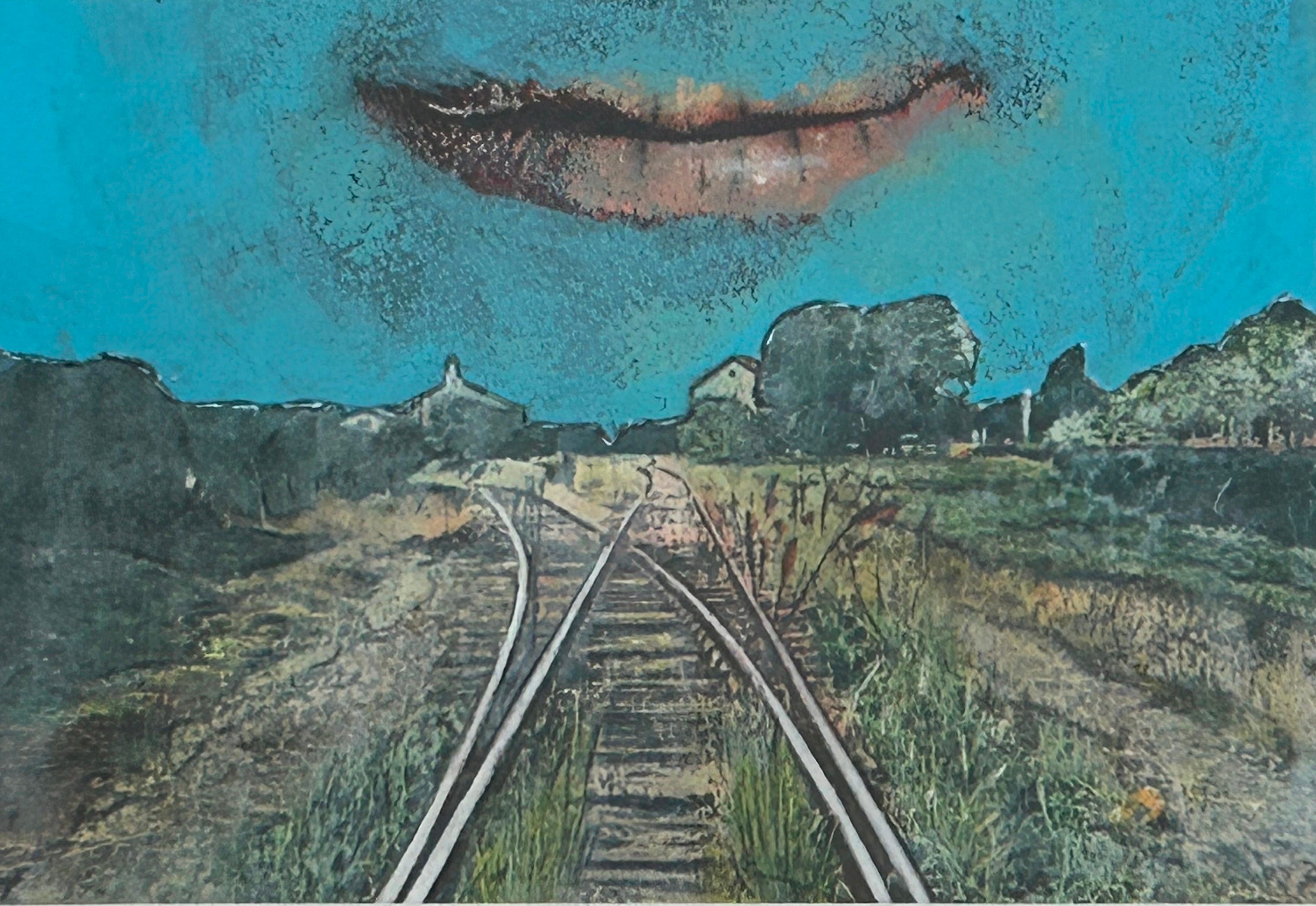
(The image at the end of the post is the original art from the Globe and Mail article that Ted knew I’d want hang where I can see it every day.)
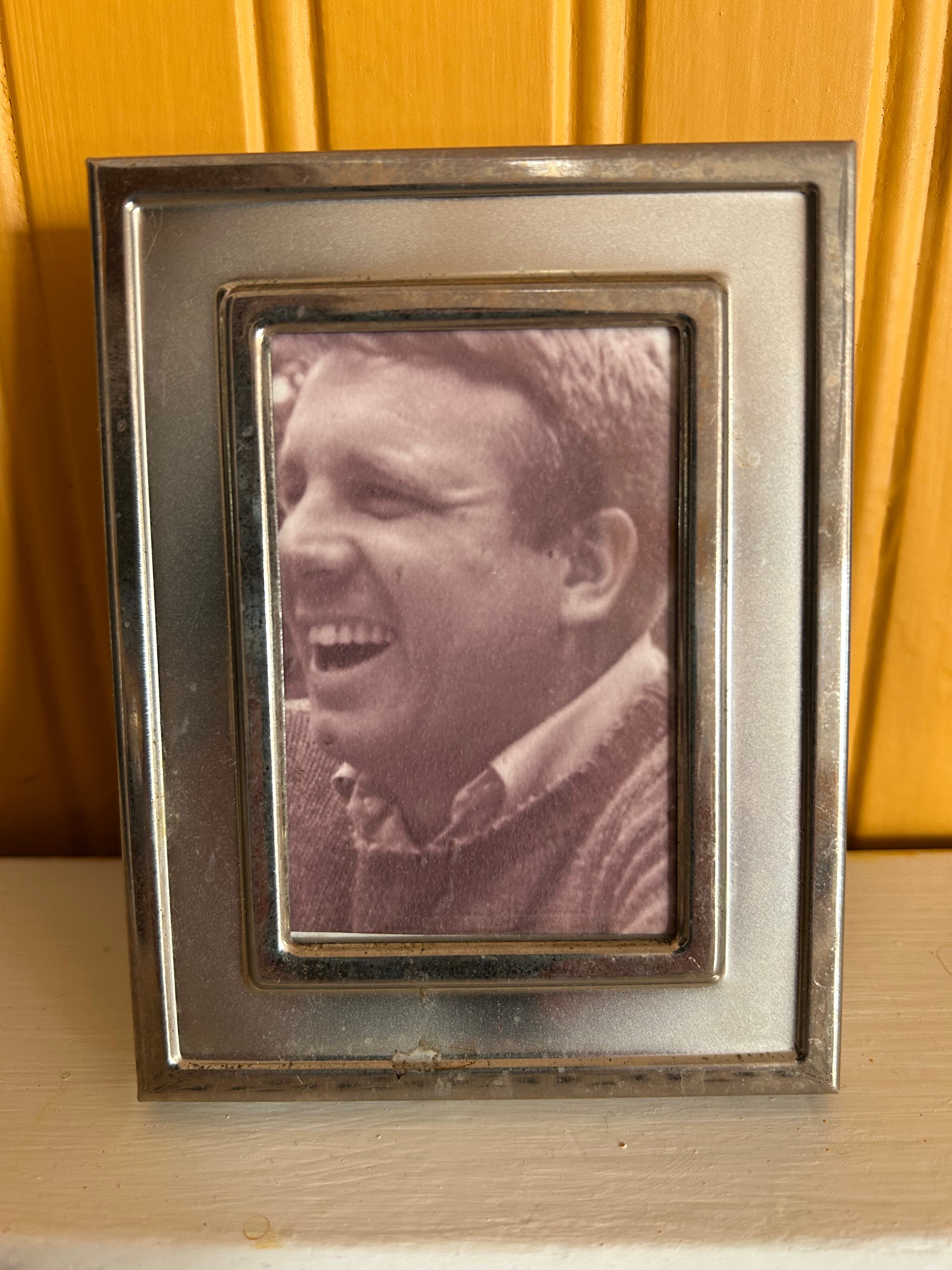
You had to have known him to understand our loss. He was a kind, fair, and very funny father. And, he was a loving, attentive husband, who got a kick out of sweeping the kitchen floor and posting letters for my mother. His legendary good humor made him a hit with the neighborhood kids, as well as just about everybody whose path crossed his. He was an extraordinary man.
You may have inferred by now that he is dead, but he is not. Rather, at 69, he is in a nursing home, battling the cruel effects of Parkinson’s disease and dementia. My mother and I packed some clothes and took him there almost two months ago, and I have not stopped thinking about him since.
Sometimes, I think about what he’s doing. If it’s 8 a.m., an aide should be getting him out of bed. If it’s 12:15, he should be wheeled down the hall to the dining room for lunch. If it’s 2:30, he may be listening to a group of singers in a common room. And such thoughts are okay.
It’s when I picture him getting out of his wet bed, or sitting with most of his lunch on his face and on the front of his shirt, or dozing in a room full of music that I am overcome, once again, by the overwhelming sadness of his condition.
Forcing my thoughts to a happier time, I think about my childhood. My fondest memories of my dad are when I was a girl. On hot and sticky summer nights he would take us on secret spy-mission swims in the cool waters of Long Island Sound. Spontaneously, he’d announce after dinner on an otherwise ordinary Tuesday that it was a good night to hop in the roadster for an ice cream cone, instantly sending my brothers and me into a state of euphoria. Or, on a lazy afternoon, he and I would walk to the train tracks at the end of our street and watch the freight trains and count the colorful cars as they rolled by on their slow, inexorable journey to a distant city.
As we got older, he had a delightful way of waking us on school mornings. Dressed in his black knee socks, cotton boxers, fedora, and carrying his briefcase, he’d walk into our bedrooms, declare he was ready for work and innocently ask, “What’s wrong with this picture?”
Parkinson’s disease is degenerative. At first, when he was diagnosed in 1990, we were skeptical. He seemed fine, we all agreed. Perhaps he will have a mild case, we unknowingly told each other. Denial, which runs rampant in my family, raised its ugly head, and we all pretended his illness would not have an impact on any of our lives. Of course, we all know now what fools we were. Parkinson’s disease has no cure.
The nursing home where my dad lives is 10 minutes from my mother and 10 hours away from me. It is, like many homes I would think, staffed with people who care deeply about the residents, and also by those who don’t. Is it not an ideal place to live. But it is where my dad needs to be for his safety and for my mother’s sanity. He can no longer do anything himself, including think with any degree of clarity.
My husband and I will take my three children to visit my mom and dad at Christmastime. Beforehand, I will try to explain things to my boys, who already have a sense of my sadness, so they will know what to expect when they see their grandfather in his greatly diminished capacity.
When we get there, we will give my dad disposable gifts such as chocolates or licorice and other edibles, duplicates of which will, undoubtedly, sit on the tray tables of residents throughout the building. We will talk in amplified voices and with overly enthusiastic tones about how good the home looks, or how wonderful my dad appears. And, once again, I will do my best to hide my true emotions.
If I am lucky, however, I may catch a glimpse of a smile on my dad’s face. That smile – and I will work to see it – will open a door to the past. I will picture us, breathless from our swim to the raft. I will see us, ice cream dripping down our chins, as we lean against our Volkswagen Bug at the downtown Carvel ice cream shop. And I will hear the mesmerizing rumble of a train along the tracks.
You are gone, Tyler Baldwin, from our holiday tables and our extended family vacations and our daily lives, but you will never be forgotten.
A wonderful patriarch with a legacy of an equally wonderful family.
I can't go on Glenarden, Rock Major or Stonybrook without thinking of you all at the crux of that meandering intersection.
I was going through the same, as your Dad, with Bunny (Mom) when she passed and I'm starting to go through the "P" word with my Lady, so I feel your pain, your frustration and your sadness. Remembering the better/earlier days provided me solace and strength during the more trying times.
One query, "walked down to the train at the end of your street" - poetic license?
Love you, Twinks!,
O'D
(Michael J O'Dwyer on the PC diploma).
Oh Susan. Your words are so evocative of your dad, and your love for him.